Trump Says NBC’s “Stupid” Host Will Pay the Price After Challenging His Fraud Evidence: “This Time I Won’t Show Any Mercy”
Former President Donald Trump has once again stirred the political pot, this time targeting an NBC host he referred to as “stupid” after the host challenged his claims regarding election fraud. This incident has sparked widespread discussion about the ongoing narrative surrounding election integrity and the media’s role in shaping public perception. In this article, we will delve into the details of Trump’s comments, the implications of his statements, and the broader context of media and politics in America today.
The Context of Trump’s Comments
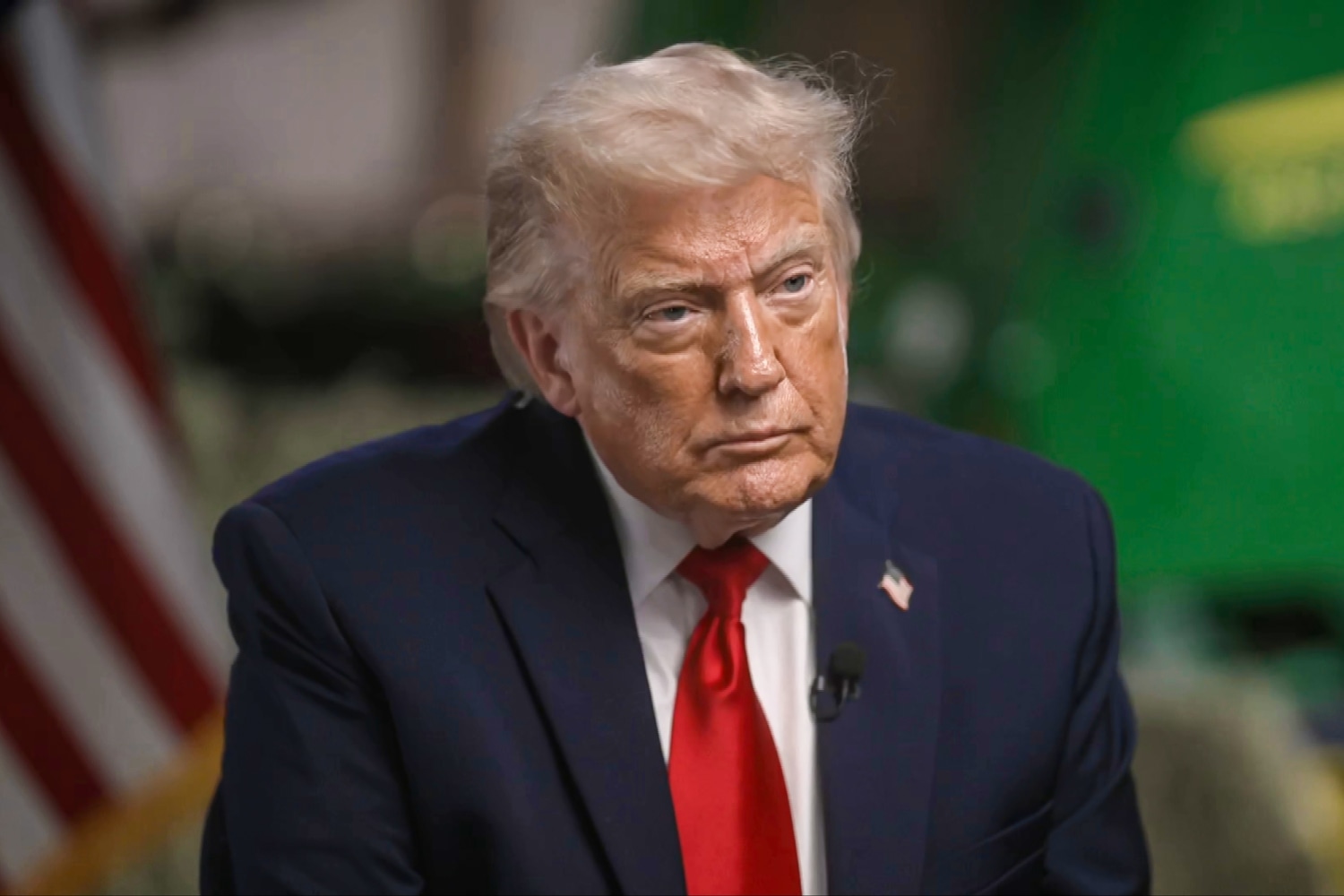
Trump’s remarks came during a recent interview where he was questioned about the evidence supporting his allegations of widespread fraud in the 2020 presidential election. The NBC host, known for his tough questioning style, pushed back on Trump’s claims, prompting the former president to respond with a mix of indignation and defiance.
The exchange highlights a recurring theme in Trump’s post-presidency narrative: his steadfast belief in the validity of his fraud claims and his willingness to confront those who challenge him. Trump’s assertion that he would show “no mercy” suggests a shift in his approach to media interactions, signaling that he may be more aggressive in defending his positions than ever before.
Media’s Role in Political Discourse
The relationship between politicians and the media has always been complex, but it has become increasingly contentious in recent years. Trump’s confrontational style has often led to clashes with journalists, particularly those who question his narratives. This latest incident underscores the growing divide between political figures and the media, with each side accusing the other of bias and misinformation.
In the age of social media, where information spreads rapidly and often unchecked, the stakes are higher than ever. Politicians like Trump leverage platforms to communicate directly with their supporters, bypassing traditional media filters. However, this can lead to a lack of accountability and a proliferation of unverified claims, as seen in the ongoing debates about election integrity.
Trump’s comments about the NBC host not only reflect his frustration with media scrutiny but also serve as a rallying cry for his supporters, who often view mainstream media as adversaries. This dynamic raises important questions about the role of journalism in a democracy and the responsibility of media outlets to provide accurate, balanced reporting.
The Fallout from Trump’s Remarks
The immediate fallout from Trump’s comments has been significant, with reactions pouring in from various corners of the political spectrum. Supporters of Trump have rallied around him, viewing his remarks as a necessary defense against what they perceive as unfair treatment by the media. Conversely, critics have condemned his language, arguing that it undermines journalistic integrity and promotes a culture of hostility towards the press.
This incident is likely to have lasting implications for both Trump and the media landscape. For Trump, it reinforces his image as a fighter who is unafraid to take on perceived adversaries, a trait that has endeared him to many of his supporters. For the media, it poses challenges in how to cover Trump and similar figures who may adopt a confrontational stance towards journalism.
The broader implications of this exchange extend beyond Trump and NBC. It reflects a growing trend in American politics where media figures are increasingly targeted by politicians, leading to a climate of fear and self-censorship among journalists. As the lines between fact and opinion blur, the role of the media as a watchdog becomes even more critical.
Looking Ahead: The Future of Media and Politics
As we move forward, the relationship between media and politics will continue to evolve. The rise of alternative media platforms and the decline of traditional news outlets have created a fragmented information landscape. This fragmentation can lead to echo chambers, where individuals only consume information that reinforces their existing beliefs.
For politicians like Trump, this environment presents both opportunities and challenges. They can reach their audiences directly, but they also risk alienating those who seek balanced reporting. The challenge for the media will be to maintain credibility while navigating a landscape where sensationalism often trumps substance.
Moreover, as the 2024 presidential election approaches, we can expect to see more heated exchanges between politicians and the media. Trump’s recent comments are just a glimpse into what may become a defining feature of the upcoming election cycle. The stakes are high, and the need for responsible journalism has never been more pressing.
Conclusion
In conclusion, Trump’s fiery remarks about the NBC host encapsulate the ongoing tensions between politicians and the media in today’s political climate. As the former president vows to show “no mercy” to those who challenge him, it is clear that the battle over narratives will continue to shape public discourse.
For those interested in understanding the complexities of this relationship, it is essential to stay informed and critically engage with the information presented by both media and political figures. As we navigate this challenging landscape, let’s commit to seeking out reliable sources and fostering constructive dialogue. Join the conversation and share your thoughts on how we can bridge the gap between media and politics in our society.
