Kristen Welker Officially Fired from NBC After Confrontation with Donald Trump: “They Wanted to Use Me as a Scapegoat”
Kristen Welker, a prominent figure in American journalism, has officially been let go from NBC following a controversial confrontation with former President Donald Trump. The incident has sparked widespread discussion about media ethics, the role of journalists in political discourse, and the pressures faced by reporters in high-stakes environments. In her own words, Welker expressed that she felt used as a “scapegoat” in a situation that has raised questions about the integrity of news reporting and the influence of political figures on media personnel.
The Confrontation: What Happened Between Kristen Welker and Donald Trump?
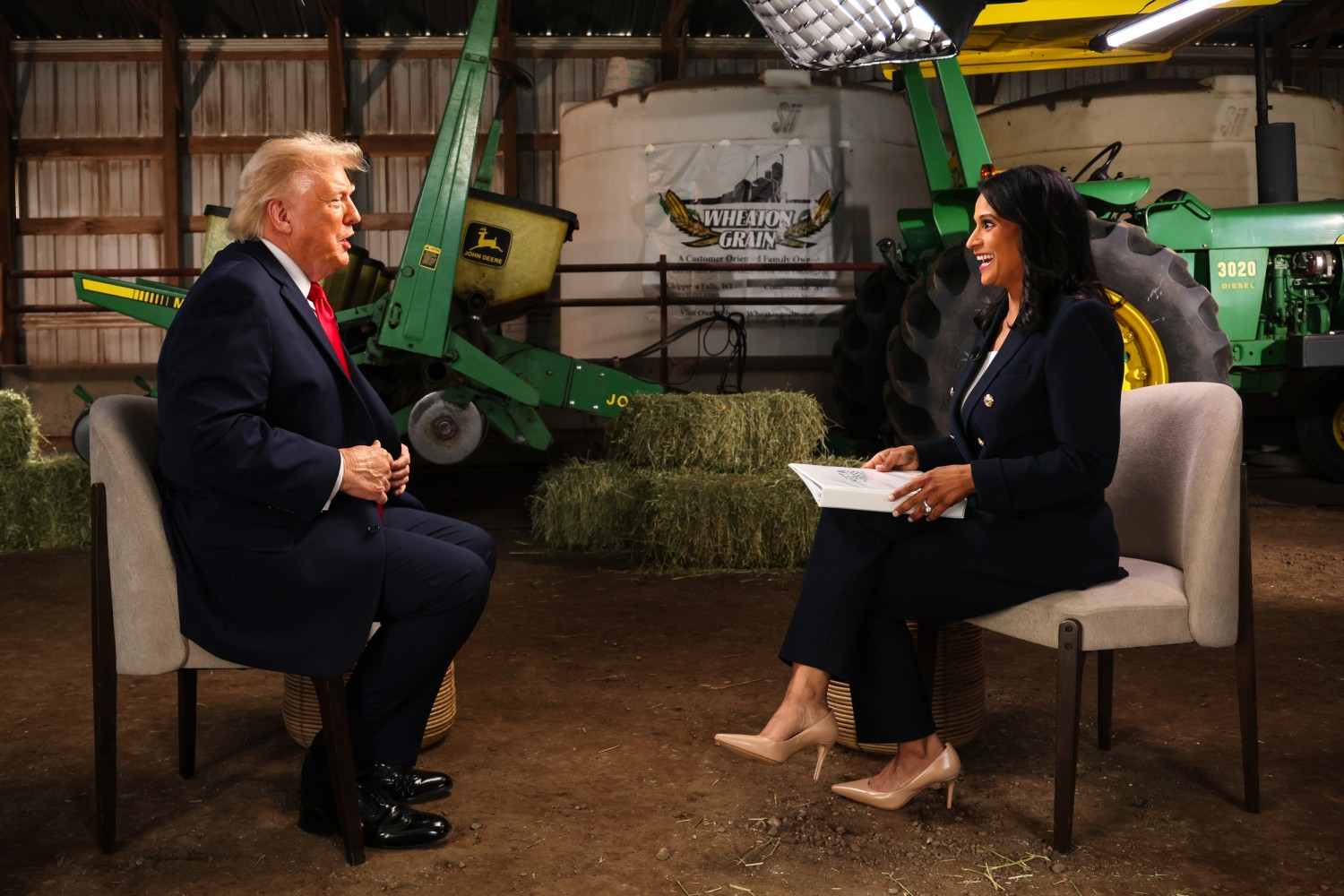
The confrontation between Kristen Welker and Donald Trump occurred during a high-profile press briefing, where tensions were already running high. As a seasoned White House correspondent, Welker was known for her incisive questioning and ability to hold powerful figures accountable. However, during this particular briefing, she challenged Trump on several of his policies and statements, which led to a heated exchange.
Reports indicate that Trump was visibly frustrated with Welker’s line of questioning, which he deemed unfair and biased. In the aftermath, sources close to the situation revealed that Trump’s team pressured NBC to take action against Welker, leading to her eventual termination. This incident has raised eyebrows across the media landscape, as it highlights the precarious position journalists often find themselves in when dealing with powerful political figures.
The Fallout: Implications for Journalism and Media Ethics
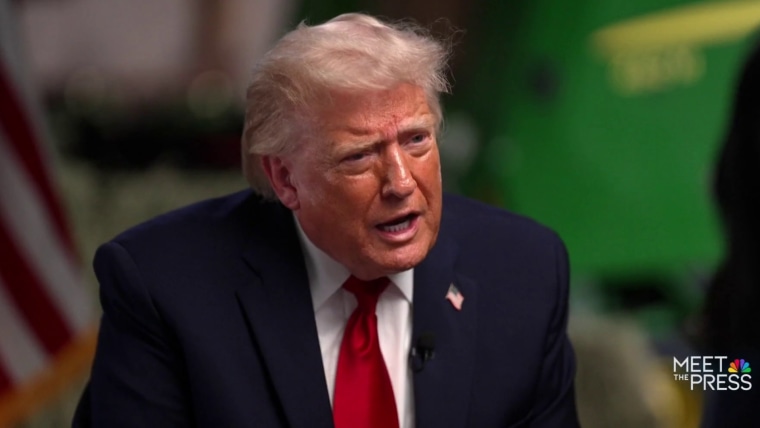
Kristen Welker’s firing has significant implications for journalism and media ethics. In an era where the relationship between the press and political leaders is increasingly strained, this incident serves as a stark reminder of the challenges journalists face in maintaining their integrity while covering contentious political environments. The notion of being used as a “scapegoat” resonates deeply within the industry, as many journalists grapple with the pressures exerted by both political figures and their own networks.
Moreover, this incident raises questions about the autonomy of journalists and the extent to which media organizations are willing to stand by their reporters in the face of political backlash. The fear of losing access to powerful figures can lead to self-censorship, which ultimately undermines the foundational principles of a free press. As the media continues to navigate this complex landscape, the case of Kristen Welker serves as a critical touchpoint for discussions about journalistic integrity and accountability.
Public Reaction: Support and Criticism
The public reaction to Welker’s firing has been mixed, with many expressing support for her as a journalist who stood her ground against a powerful figure. Fellow journalists and media advocates have rallied around her, emphasizing the importance of holding leaders accountable, regardless of the potential consequences. Social media platforms have been flooded with messages of solidarity, with many calling for greater protections for journalists in similar situations.
Conversely, some critics argue that Welker’s confrontational style may have contributed to her downfall. They suggest that journalists should strive for a more balanced approach when questioning political figures, particularly those in positions of power. This debate highlights the ongoing tension within journalism regarding the balance between assertiveness and objectivity.
The Future of Kristen Welker: What’s Next?
As Kristen Welker moves forward from this challenging chapter in her career, many are left wondering what the future holds for her. With her extensive experience and reputation as a skilled journalist, it is likely that she will find new opportunities in the media landscape. Whether she chooses to remain in traditional journalism or explore alternative platforms, her voice will undoubtedly continue to resonate within the industry.
Moreover, Welker’s situation could pave the way for broader discussions about the treatment of journalists in politically charged environments. As media organizations reflect on their policies and practices, it is essential to prioritize the protection of journalistic integrity and the safety of reporters in the field.
Conclusion: A Call for Support and Change
Kristen Welker’s firing from NBC serves as a pivotal moment in the ongoing conversation about the relationship between the media and political power. As journalists face increasing pressures and challenges, it is crucial for both media organizations and the public to advocate for the protection of journalistic integrity. Supporting journalists like Welker is essential in fostering a media landscape that values accountability and transparency.
If you believe in the importance of a free press and the role of journalists in holding power to account, consider supporting organizations that advocate for press freedom and the rights of journalists. Together, we can work towards a future where journalists are empowered to do their jobs without fear of retribution.
