Wealthy Whoopi Goldberg Fails to See the Irony of Her ‘Oppression’ Narrative – Or That the US is NOTHING Like Iran

In a recent discussion on ABC’s “The View,” Whoopi Goldberg sparked a wave of criticism for her comments that equated the challenges faced by Black Americans in the United States to the severe repression experienced in Iran, a nation notorious for its extreme human rights abuses. Her remarks not only raised eyebrows but also ignited a significant dialogue surrounding the portrayal of societal issues by individuals living in economic comfort, especially those who have achieved substantial wealth.
Goldberg’s Perspective on Oppression

During the segment, Goldberg emphasized her viewpoint on systemic oppression, arguing that it mirrors the kind of suffering people endure in Iran. However, many critics quickly pointed out the profound differences between the two contexts. Co-host Alyssa Farah Griffin notably highlighted the absence of basic human rights in Iran, contrasting it sharply with the freedoms enjoyed by American citizens, including those in marginalized communities. Such a comparison seemed not just misguided but also ill-informed regarding the complexities of both situations.

Goldberg’s assertions reveal a significant disconnect between her personal experiences and the realities faced by many Americans who truly suffer from systemic inequality. Critics, including notable voices like Adam B. Coleman, have argued that wealthy individuals like Goldberg often tend to exaggerate narratives of oppression. They suggest that such perspectives may be formulated as a means to garner attention or social validation, rooted more in personal experiences than in a robust understanding of systemic issues at play.
The Irony of Economic Privilege

Goldberg’s statements become even more ironic when considering her status as a successful, affluent Black woman with a long career in entertainment. Critics argue that her experiences of disenfranchisement have been overshadowed by her financial and social achievements. Coleman emphasizes that those who have triumphed over personal and social hurdles should approach their narratives as stories of success rather than continuously framing them within a victimhood narrative.
Such hypocrisy, Coleman asserts, can come off as ungrateful and self-unaware, particularly given the context of her financial success. Despite articulating feelings of fear and insecurity, Goldberg resides in a country that countless individuals from genuinely oppressive nations, such as Iran, aspire to reach for the opportunities it presents. This irony raises deeper questions about whether the notions of privilege and victimhood are being conflated in contemporary conversations about race and societal progress.
Broader Implications on Race and Privilege
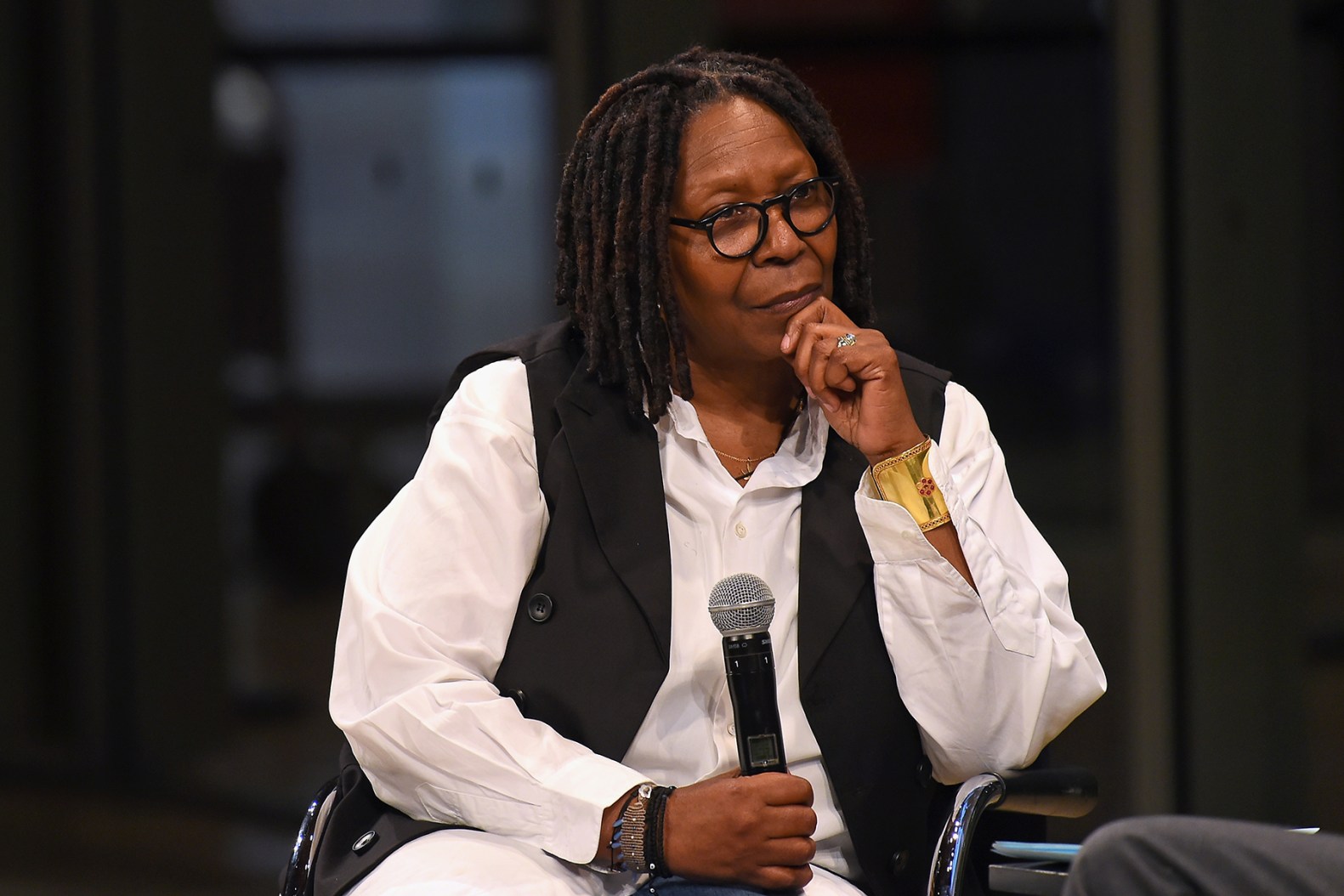
The broader implications of Goldberg’s narrative touch on the complexities surrounding race, privilege, and societal dynamics today. Critics argue that perpetuating narratives of oppression by those living in affluence not only undermines the experiences of individuals with legitimate struggles but also shifts the focus away from systemic issues that require serious attention and action. By focusing on their personal narratives of oppression, wealthy figures can inadvertently create a narrative that resembles performative activism, where the emphasis lies more on self-expression than on effecting actual change.

In many ways, successful individuals are in a unique position to tackle these societal challenges, moving past victimhood to become champions of change. They have the resources and platforms necessary to elevate real issues and advocate for those who truly face oppression. But when discussions pivot towards comparative narratives that lack context and sensitivity, they risk trivializing the genuine struggles of individuals living under tyrannical regimes or systemic oppression.
In conclusion, it is crucial for influential voices like Whoopi Goldberg to find a fresh perspective grounded in reality. Acknowledging economic privilege while addressing societal issues could lead to more constructive conversations about race and oppression. For those interested in fostering understanding and addressing systemic challenges, focusing on narratives of resilience rather than victimhood may not only resonate more authentically but could also inspire real change within our communities.
- Consider how privilege shapes discussions on race and oppression.
- Encourage dialogue that acknowledges the successes of marginalized individuals while focusing on real systemic issues.
- Seek ways to elevate authentic narratives that advocate for change and empower voices in need.
